



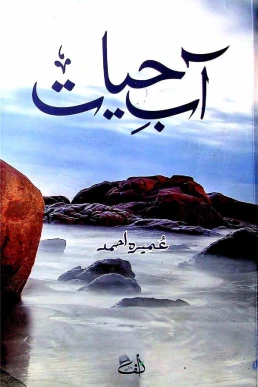
The Aab-e-Hayat novel, penned by renowned Urdu author Umera Ahmed, is a captivating sequel to her widely celebrated work, Peer-e-Kamil. This novel continues the journey of Salar Sikandar and Imama Hashim, weaving a rich tapestry of faith, family, and societal challenges. As a cornerstone of contemporary Urdu literature, Aab-e-Hayat resonates with readers through its profound Islamic themes and relatable characters. This article delves into the novel’s plot, themes, characters, cultural context, and lasting impact, offering a comprehensive guide for Urdu literature enthusiasts, students, and fans of Islamic fiction.
Whether you’re a long-time admirer of Umera Ahmed or new to her works, this exploration of the Aab-e-Hayat novel will uncover its depth and significance, making it a must-read for anyone interested in meaningful storytelling.
Background and Context
About the Author: Umera Ahmed
Umera Ahmed is a household name in Urdu literature, known for her ability to blend emotional storytelling with Islamic values. Born in Sialkot, Pakistan, she began her writing career in 1998 and quickly gained fame through serialized novels in monthly digests. Her works, such as Merii Zaat Zarra-e-Benishan and Zindagi Gulzar Hai, explore themes of spirituality, morality, and human relationships, earning her a dedicated readership across Pakistan and beyond.
Ahmed’s writing style is marked by vivid character development, intricate plots, and a focus on Islamic ethics. Her ability to address complex social issues through relatable narratives makes her novels, including Aab-e-Hayat, both thought-provoking and accessible.
Relation to Peer-e-Kamil
Aab-e-Hayat Novel is the much-anticipated sequel to Peer-e-Kamil, which introduced readers to Salar Sikandar, a brilliant but troubled man, and Imama Hashim, a woman whose journey to Islam reshapes her life. While Peer-e-Kamil focused on their spiritual awakening and eventual union, Aab-e-Hayat Novel explores their married life, delving into the challenges of living a faith-driven life in a modern world. The sequel expands the narrative by introducing new characters and conflicts, making it a standalone masterpiece while staying true to the essence of its predecessor.
Plot Summary and Structure
Overview of the Storyline
Aab-e-Hayat Novel picks up where Peer-e-Kamil left off, chronicling the married life of Salar and Imama. Now settled with children—Jibraeel, Anaya, Hameen, and their adopted daughter Raeesa—the couple navigates the complexities of family, faith, and societal pressures. The novel explores their struggles, from financial challenges to ethical dilemmas, as they strive to uphold Islamic principles. New characters, such as Waseem, Saad, and Abdullah (Arek), add depth to the story, each bringing unique perspectives and conflicts that enrich the narrative.
The plot is both heartwarming and intense, showcasing the couple’s sacrifices and their unwavering commitment to each other and their faith. For example, Salar’s professional life tests his moral boundaries, while Imama’s role as a homemaker highlights her strength in nurturing a cohesive family unit.
Narrative Style and Format
Published in 25 episodic “cards” in the monthly digest Khawateen Digest from October 2014 to December 2016, Aab-e-Hayat Novel employs a serialized format that keeps readers hooked. Umera Ahmed uses a jigsaw puzzle storytelling technique, gradually revealing plot points through suspenseful twists and interconnected subplots. This episodic structure mirrors the unpredictability of life, making the novel engaging and dynamic. Each card builds anticipation, encouraging readers to piece together the characters’ journeys.
Main Themes and Messages
The Central Theme: The Prohibition of Interest (Riba)
A core theme of Aab-e-Hayat Novel is the Islamic prohibition of interest (Riba), which the novel portrays as a destructive force. From an Islamic perspective, Riba is considered exploitative, disrupting social and economic balance. The novel illustrates this through the tragic story of Ghulam Fareed, whose life unravels due to his involvement in interest-based transactions. His downfall serves as a cautionary tale, highlighting the personal and societal consequences of unlawful earnings.
For readers unfamiliar with Islamic finance, this theme offers a valuable lesson. The novel encourages exploring Riba-free financial systems, such as Islamic banking, which prioritize ethical wealth-building.
Family and Sacrifice
Imama emerges as the nucleus of her family, proving that a housewife’s role is far from ordinary. Despite societal undervaluation, her sacrifices—nurturing her children and supporting Salar—anchor the family’s stability. The adoption of Raeesa, a child in need, underscores the couple’s selflessness and commitment to compassion.
The novel emphasizes the importance of family bonding and intentional parenting. For instance, Imama’s efforts to instill Islamic values in her children highlight the long-term impact of a mother’s guidance.
Moral and Social Issues
Aab-e-Hayat Novel tackles issues like hypocrisy, unethical earnings, and the struggle to maintain faith in a materialistic world. Characters like Saad, who embody duplicity, contrast with Salar and Imama’s integrity, exposing the dangers of moral compromise. The novel also critiques societal pressures that push individuals toward unethical choices, urging readers to reflect on their own values.
Character Analysis
Salar Sikandar
Salar, once a reckless genius in Peer-e-Kamil, evolves into a mature yet conflicted man in Aab-e-Hayat Novel . His professional life as a successful executive brings ethical dilemmas, testing his commitment to Islamic principles. His spiritual growth, marked by moments of self-reflection, makes him relatable to readers navigating their own moral journeys.
Imama Hashim
Imama’s transformation from a young convert to a resilient wife and mother is inspiring. Her sacrifices—choosing family over personal ambitions—highlight her strength. As a mother, she instills discipline and faith in her children, proving that homemaking is a powerful role.
Supporting Characters
The couple’s children—Jibraeel, Anaya, Hameen, and Raeesa—add emotional depth, each representing unique challenges and joys of parenting. Other characters, like Waseem (Salar’s friend) and Abdullah (Arek), introduce subplots that explore friendship, loyalty, and redemption. Saad, a hypocritical figure, serves as a foil, emphasizing the importance of sincerity.
Setting and Cultural Context
Set across Pakistan, America, and Congo/Africa, Aab-e-Hayat Novel reflects diverse cultural landscapes. In Pakistan, the narrative captures urban and rural dynamics, highlighting societal issues like economic disparity. American settings introduce challenges of maintaining faith in a secular environment, while Congo adds an international perspective, emphasizing global humanitarian concerns.
These settings shape the characters’ experiences. For instance, Salar’s professional struggles in America test his ethics, while Imama’s life in Pakistan underscores her role in preserving cultural and religious values.
Reception and Critique
Popularity and Bestseller Status
Aab-e-Hayat Novel achieved bestseller status, captivating readers with its emotional depth and relatable themes. While Peer-e-Kamil set a high bar, the sequel’s focus on family and ethics resonated widely, especially among Urdu readers and Islamic fiction fans. Its serialized format fueled anticipation, making each episode a cultural event.
Critical Analysis
The novel’s strengths lie in its engaging storytelling, rich character development, and thought-provoking themes. The jigsaw puzzle narrative keeps readers invested, and the focus on Islamic ethics adds intellectual weight. However, some readers note that the introduction of numerous characters can feel overwhelming, and the novel’s middle section occasionally loses the charm of its predecessor due to pacing issues.
Reader reviews on platforms like Goodreads praise the novel’s emotional impact but critique its complexity. Literary experts commend Umera Ahmed for tackling relevant issues like Riba, making it a valuable contribution to Islamic fiction.
Impact and Legacy
Aab-e-Hayat Novel has left a lasting mark on Urdu literature, sparking discussions on Islamic finance, family values, and ethical living. Its exploration of Riba has inspired readers to explore Sharia-compliant financial systems, while its portrayal of family dynamics resonates with those balancing tradition and modernity.
The novel’s legacy extends to popular culture, with its themes influencing dramas and discussions in literary circles. It remains a touchstone for readers seeking meaningful narratives that blend spirituality and real-world challenges.
Conclusion
Aab-e-Hayat Novel is more than a novel—it’s a journey through faith, family, and ethical dilemmas. Umera Ahmed’s masterful storytelling, coupled with her exploration of Islamic principles, makes this sequel a significant work in Urdu literature. Whether you’re drawn to its compelling characters, thought-provoking themes, or cultural insights, Aab-e-Hayat Novel offers something for everyone. Dive into this masterpiece to explore the beauty of resilience and the power of living a principled life.


