
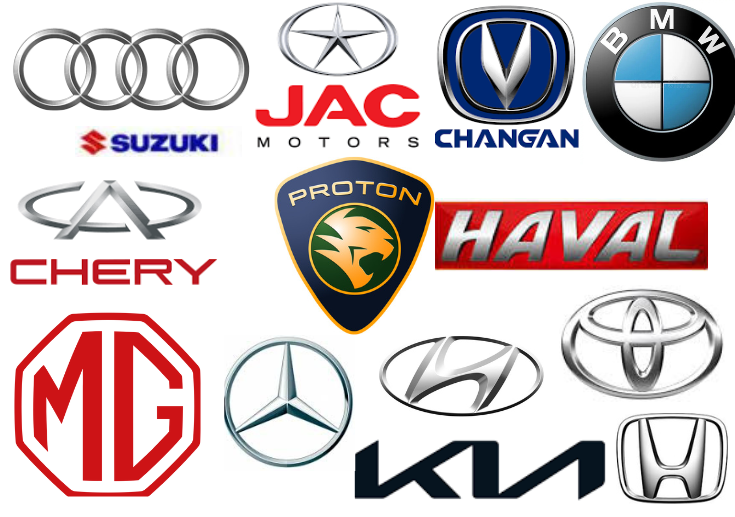
Imagine a bustling Pakistani road: a student cruising to college, a trader hauling goods, and a family heading out for a weekend escape—all in their cars. Cars aren’t just vehicles in Pakistan; they’re the engines of a nation on the move, weaving through cities, villages, and rugged terrains alike. With urbanization speeding up, incomes rising, and brands vying for the spotlight, the car market is roaring louder than ever. These machines aren’t luxuries—they’re lifelines for a country driving toward a modern future.
This guide dives deep into the world of “Car Brands in Pakistan,” spotlighting the top 20 players, their standout models, and the trends steering how we roll. Whether you’re a car enthusiast, a first-time buyer, or just curious about what’s hot on the roads, you’ll find practical insights, detailed breakdowns, and a front-row seat to an industry transforming lives—one ride at a time.
Pakistan’s car market has shifted gears from imported relics and basic rides to a vibrant hub of local assembly and innovation. Once a small player, it’s now a dynamic arena where global giants and emerging names compete to serve over 240 million people. The journey reflects Pakistan’s own ascent—starting modest but now accelerating toward a tech-savvy, car-driven era.
What’s revving this boom? A youthful population craving mobility, affordable models hitting the streets, and government policies pushing local production. In 2025, car sales are rebounding with a 52% growth (reaching 125,048 units), fueled by demand and new launches like the BYD Sealion 6 and Chery Tiggo 8 Pro. Online platforms like PakWheels are shifting how Pakistanis buy, making this more than a market—it’s a revolution on wheels.
Pakistan’s car scene is a thrilling mix of veterans, innovators, and fresh contenders. Here’s the top 20 shaping the roads—and why they matter to you.
Suzuki reigns with a 48.7% share in 2025, thanks to affordability and reliability. The Alto, with a 30.6% slice of sales, is king, while the Bolan and Swift keep families and youth hooked. Local assembly keeps prices down and trust high.
Why It Stands Out: Suzuki gets Pakistan—cheap, tough, and everywhere.
Toyota’s 23% market share reflects its legacy. The Corolla and Yaris dominate, while the Hilux rules pickups. Rumors of a 2025 Corolla Cross Hybrid have fans buzzing. It’s built for Pakistan’s roads and hearts.
Why It Shines: Durability and prestige—Toyota’s got it all.
Honda’s 12.3% share comes from refined rides like the City and Civic. Known for fuel efficiency and sleek designs, it’s a favorite among urban elites despite a slight 2025 dip.
Why It Wins: Smooth engines and status—Honda delivers.
Hyundai’s Tucson (4,198 units in 2023) and Sonata keep it climbing, blending style and tech. Local assembly slashes costs, making it a midrange marvel.
Why It’s Hot: Modern features at fair prices—Hyundai’s on the gas.
Haval’s H6 soared 174.7% in 2025, landing it in the top five. Bold designs and rugged builds appeal to SUV lovers, signaling Chinese brands’ big push.
Why It Matters: Power and presence—Haval’s rewriting the rules.
Kia’s Sportage and Picanto bring sporty flair and compact charm. Growing fast, it’s a hit with young drivers who want style without breaking the bank.
Changan’s Alsvin and Oshan X7 offer value-packed sedans and SUVs. Local production fuels its rise, targeting practical buyers.
MG’s HS and ZS EV bring hybrid and electric vibes. With government EV incentives, it’s carving a green niche.
Proton’s Saga, priced like a hatchback but built like a sedan, wins first-timers. Malaysian quality meets Pakistani budgets.
Chery’s Tiggo 8 Pro (PKR 9,550,000) blends luxury and power. It’s a 2025 launch turning heads in the SUV race.
DFSK’s Glory 500 offers affordable SUVs and vans, perfect for small businesses and families.
JAC’s X200 caters to traders with tough, practical builds—quietly gaining traction.
Dewan’s Honri VE, Pakistan’s first local electric hatchback, hints at a sustainable future.
BAIC’s rugged D20 and BJ40 target off-road fans with bold, no-frills designs.
Isuzu’s D-Max rules the pickup scene, built for work and rough roads.
Audi’s Q5 and e-tron cater to the elite, blending German precision with electric dreams.
BMW’s X3 and 3 Series ooze class, a rare but coveted sight on Pakistan’s streets.
Mercedes’ GLE and S-Class scream luxury, for those who can splurge.
Nissan’s Sunny keeps it simple and reliable, holding a loyal base.
Prince Pearl, a compact hatchback, fights for budget buyers with homegrown grit.
Pakistan’s not just importing cars—it’s building them. Here’s how this shift is driving change.
The 2016-21 Auto Policy and new EV incentives have sparked a boom. In 2024, local assembly hit new highs, with Suzuki, Toyota, and Changan leading. The aim? Slash imports and boost jobs.
Did You Know?: Over 80% of cars sold are now made locally—progress in motion!
Local plants mean thousands of jobs, lower prices, and quicker supply. It’s a win for wallets and the economy—Pakistan could even export soon.
What do Pakistanis want in a car? Let’s check the roadmap.
It’s simple: fuel efficiency, durability, affordable spares, and decent resale value. Suzuki and Toyota nail this with mileage and tough builds.
Haval’s H6 and Suzuki’s Alto lead the charge. SUVs offer space; budget cars save cash—both fit Pakistan’s needs.
MG and Dewan push EVs, backed by tax breaks. Hybrids like Toyota’s Corolla Cross are bridging the gap.
Growth has its bumps. Here’s what’s testing the industry.
Engines and electronics still come from abroad. Until local production ramps up, prices and delays linger.
Inflation squeezes buyers. Brands counter with financing, but cash is tight.
Price wars and new launches keep companies on edge. It’s great for buyers, tough for brands.
The road ahead shines bright. Here’s where it’s headed.
Over 60% of Pakistanis live rurally—affordable cars could connect them. Brands that crack this win big.
EVs, hybrids, and smart tech are coming. Toyota and MG are investing—Pakistanis love the cutting edge.
Sign in to your account

