



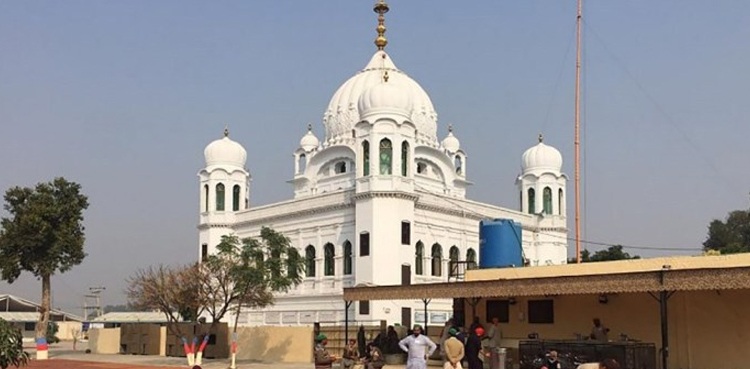
The Indian government announced today the immediate closure of the Kartarpur Corridor, a visa-free border crossing that allows Indian Sikh pilgrims to visit the Gurdwara Darbar Sahib in Pakistan. This decision comes in the aftermath of what Indian officials have described as a “necessary military response” against terrorist infrastructure in Pakistan’s territory.
The closure follows India’s missile strike near Pahalgam, which Indian authorities claim targeted terrorist training camps. Pakistan has strongly condemned the action, calling it an “unprovoked aggression” and a “serious violation of international law.”
The Kartarpur Corridor, inaugurated in November 2019, has been an important symbol of religious cooperation between the two nuclear-armed neighbors despite their historically tense relations. The 4.5-kilometer passage connects the Sikh shrines of Dera Baba Nanak Sahib in India’s Punjab and Gurdwara Darbar Sahib in Pakistan’s Kartarpur.
“This is a temporary security measure,” said India’s Minister of External Affairs in a press statement. “The safety of our citizens remains our top priority as we monitor the developing situation.”
Pakistan’s Foreign Ministry responded by calling for international intervention, stating that “closing religious corridors only escalates tensions and punishes innocent pilgrims who have nothing to do with political conflicts.”
The Shiromani Gurdwara Parbandhak Committee (SGPC), which manages Sikh places of worship, expressed concern over the development, urging both governments to keep religious sites and pilgrimages separate from political tensions.
This marks the first time the corridor has been closed since its inauguration, apart from the temporary shutdown during the COVID-19 pandemic. Thousands of Sikh devotees who had planned pilgrimages in the coming weeks now face uncertainty about when they might be able to visit the sacred site.
The international community has called for restraint from both nations, with the UN Secretary-General urging dialogue to prevent further escalation in the region.
As tensions remain high between the nuclear-armed neighbors, analysts suggest that the closure of this religious corridor signals a significant deterioration in bilateral relations that could have far-reaching implications for regional stability.


